All published articles of this journal are available on ScienceDirect.

Xylella fastidiosa and Olive Quick Decline Syndrome: Integrating a Decade of Research on Pathogen, Vector, Host, Microbiome and Management to Forge Sustainable Strategies
 iD
Emna Bouazizi1
iD
Manel Cheffi1
iD
Mohamed Ali Triki1
iD
iD
Emna Bouazizi1
iD
Manel Cheffi1
iD
Mohamed Ali Triki1
iD
Authors Info & Affiliations
Abstract
Introduction
Olive Quick Decline Syndrome (OQDS), first recognized in Apulia, Italy, is associated with the nutritionally fastidious, xylem-limited bacterium Xylella fastidiosa subsp. pauca sequence type 53 (ST53), and has become a major plant-health emergency for Mediterranean perennial agriculture.
Methods
This narrative review synthesizes peer-reviewed and regulatory literature published from January 2013 to April 2026, while retaining older foundational studies required to interpret pathogen biology. Searches were conducted in Scopus, Web of Science, PubMed/MEDLINE and Google Scholar, complemented by EFSA, EPPO and EU regulatory documents. Evidence was appraised according to study type, reproducibility, field relevance and translational readiness.
Results
The first decade of research established that OQDS is not a single pathogen-host interaction but a pathosystem involving an introduced xylem-limited bacterium, native xylem-feeding vectors, cultivar-dependent host responses, orchard context and the xylem microbiome. Genomic plasticity, biofilm formation and xylem vessel connectivity contribute to pathogen establishment and systemic movement. Tolerant/resistant cultivars such as Leccino and FS-17 show slower symptom progression and, in several studies, lower bacterial multiplication or more localized colonization through anatomical, physiological, transcriptomic, metabolic and microbiome-associated traits.
Discussion
Detection has progressed from confirmatory PCR-based assays to integrated surveillance pipelines that combine risk-based sampling, high-throughput molecular tests, remote sensing, volatile organic compound profiling and epidemiological modelling. Management has shifted from emergency eradication in heavily infected zones toward context-specific integrated pest management based on vector suppression, certified plant material, tolerant/resistant germplasm, orchard hygiene, decision support and stakeholder engagement.
Conclusion
Durable OQDS mitigation will require diversified tolerance and resistance sources, transparent surveillance, validation of microbiome- or plant-defense-based interventions, and coordinated policies that balance phytosanitary urgency with social and economic sustainability.
1. INTRODUCTION
Xylella fastidiosa is a Gram-negative, nutritionally fastidious, xylem-limited bacterium transmitted by xylem-feeding hemipterans; here, “fastidious” denotes a bacterium that grows slowly and requires specialized culture conditions outside the host. It is historically associated with Pierce’s disease of grapevine and citrus variegated chlorosis. Still, its wide host range, capacity for host shifts, and association with long-distance plant movement have made it a recurrent threat to global plant health [1-5]. Its biology is particularly challenging for disease management because bacterial populations may be unevenly distributed in planta, symptoms can resemble abiotic water stress, and infected hosts may remain undetected before symptom expression [3-5].
OQDS emerged in the Salento peninsula of Apulia in 2013, where severe leaf scorch, twig dieback, canopy thinning and tree death were observed in olive groves of major economic and cultural importance (Fig. 1). The causal association with X. fastidiosa subsp. pauca ST53 was confirmed through molecular detection, isolation and pathogenicity studies, and the native meadow spittlebug Philaenus spumarius was identified as a key vector in olive orchards [6-9]. EU and EPPO frameworks now underpin statutory surveillance, demarcation and movement restrictions for specified host plants [10, 11].
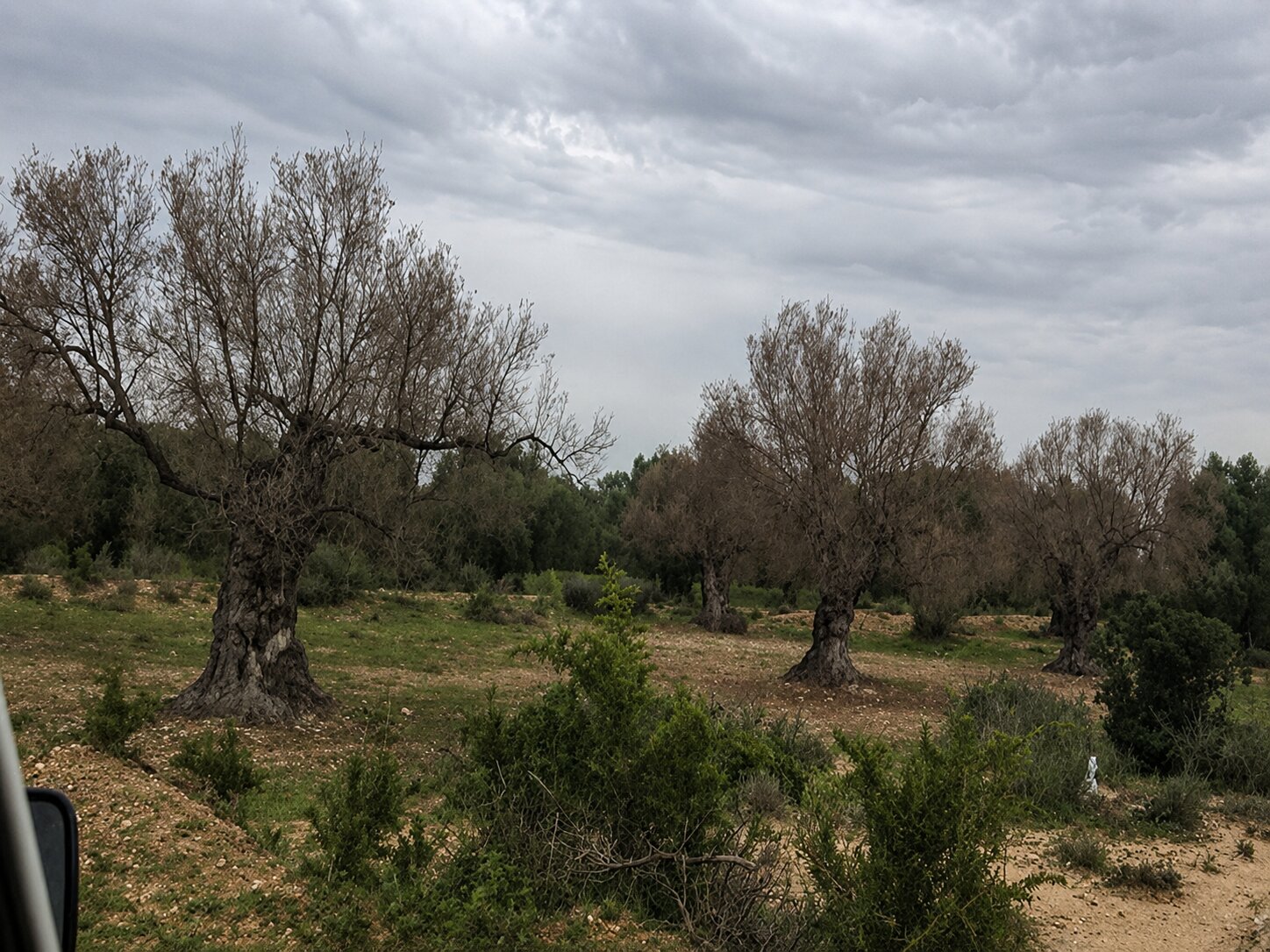
Field manifestation of Olive Quick Decline Syndrome in a mature olive grove.
The volume of OQDS research has increased rapidly, especially during the last five years, covering pathogen genomics, vector ecology, cultivar response, detection, epidemiological modelling, chemical and biological management, and socio-economic impacts [12-14]. This review synthesizes and integrates this body of work, with explicit attention to evidence strength, limitations, and practical translation. The aim is to synthesize OQDS research beyond the early emergency phase and provide a balanced synthesis for researchers, plant-health authorities and orchard managers (Fig. 2).
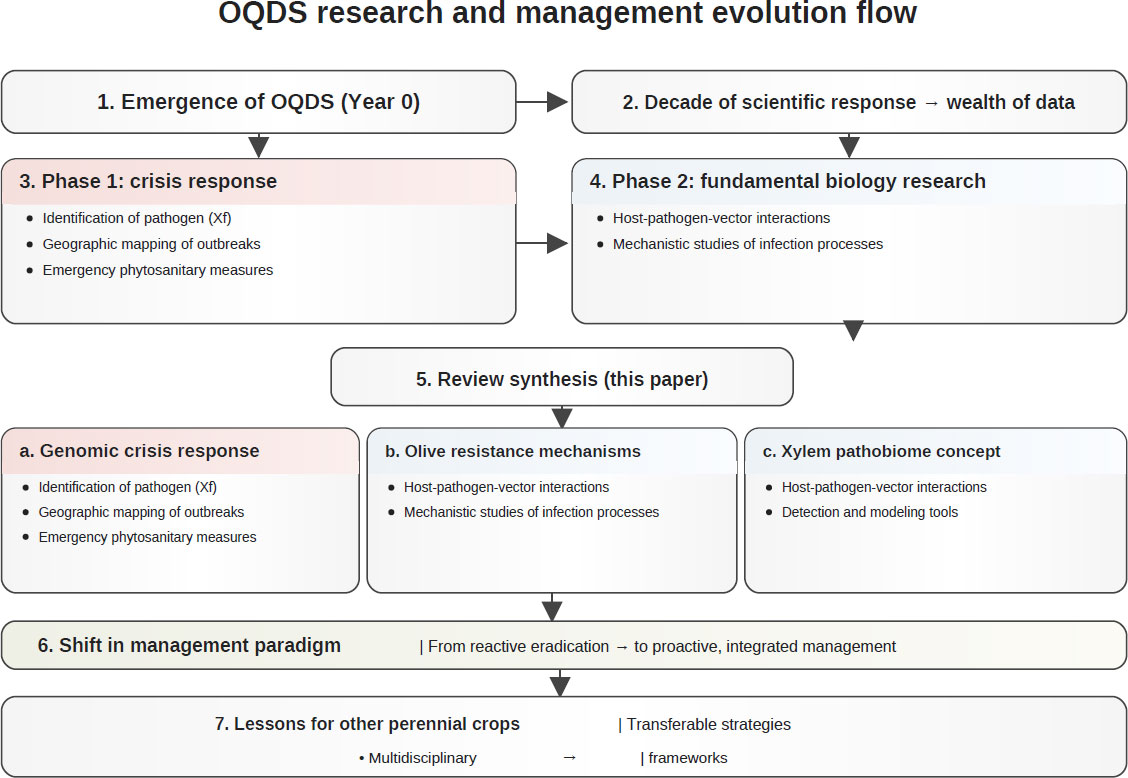
Conceptual roadmap of OQDS research and management evolution since the first reports in Apulia (2013). The field progressed from crisis response to mechanistic research and, increasingly, to proactive integrated management.
2. METHODS OF THE REVIEW
2.1. Literature Search Strategy
The review covered literature from January 2013, corresponding to the recognition of the Apulian OQDS outbreak, to 30 April 2026. Older foundational papers were retained only when needed to explain X. fastidiosa biology, vector transmission, disease emergence or methodological background. Searches were performed in Scopus, Web of Science Core Collection, PubMed/MEDLINE and Google Scholar. Regulatory and technical sources were retrieved from EFSA, EPPO, EUR-Lex, the European Commission and IPPC/FAO. Reporting followed PRISMA principles, but the review was designed as a critical narrative synthesis rather than a quantitative meta-analysis [15].
Search strings combined pathogen, host, vector and management terms, including: “Xylella fastidiosa” AND olive; “Olive Quick Decline Syndrome” OR OQDS; “Xylella fastidiosa subsp. pauca” AND ST53; Olea europaea AND resistance OR tolerance; Philaenus spumarius AND olive; Xylella AND microbiome OR pathobiome; Xylella AND remote sensing OR qPCR OR LAMP; and Xylella AND integrated pest management OR containment OR eradication. Additional references were identified by backward and forward citation screening of key review articles, EFSA reports and EPPO protocols.
2.2. Inclusion, Exclusion and Evidence Appraisal
Included studies had to address X. fastidiosa biology, OQDS epidemiology, olive host response, vector ecology, detection, modelling, management, or socio-economic impacts relevant to Mediterranean olive systems. Excluded items were duplicate records, unverified reports, records unrelated to X. fastidiosa or olive, and studies for which methodological details were insufficient to support a scientific claim. Evidence strength was considered highest for replicated field trials and multi-site surveillance, intermediate for greenhouse challenge studies and longitudinal observational studies, and preliminary for in vitro antagonism, single-site omics associations or unvalidated remote sensing models. This hierarchy was used to moderate conclusions and avoid overstating translational readiness.
3. SYMPTOMATOLOGY AND DISEASE CYCLE
OQDS symptoms typically begin as marginal and apical leaf scorch, followed by twig and branch dieback, progressive canopy desiccation, reduced productivity and, in highly susceptible cultivars under high inoculum pressure, tree death. These symptoms arise from the xylem-restricted lifestyle of the pathogen and the resulting disruption of hydraulic function. However, drought, nutrient imbalance, wood pathogens and other stressors can produce superficially similar symptoms [6, 7, 16]. Therefore, visual diagnosis is useful for targeting inspection but cannot replace laboratory confirmation under statutory surveillance [10, 11].
The disease cycle is driven by interactions among infected plant reservoirs, xylem-feeding vectors and susceptible hosts. P. spumarius nymphs develop on herbaceous ground vegetation in spring, adults move to woody hosts as vegetation dries, and infective adults can acquire and inoculate X. fastidiosa during xylem feeding [17-19]. Vector abundance, host preference, seasonal movement, and landscape structure are therefore central determinants of spread.
4. THE PATHOGEN: GENOMIC INSIGHTS AND VIRULENCE MECHANISMS
4.1. Genomic Origin and Plasticity of ST53
The Apulian strain belongs to X. fastidiosa subsp. pauca and is classified as ST53 by multilocus sequence typing. Comparative genomics links the European outbreak genotype to the broader diversity of X. fastidiosa in the Americas. It highlights the evolutionary importance of recombination, mobile genetic elements, plasmids, and horizontal gene transfer [20-23]. These features are consistent with a pathogen capable of host shifts and rapid adaptation to novel ecological contexts.
Although ST53 is often discussed as a single epidemic genotype, the pathogen should not be treated as evolutionarily static. Population diversity within infected plants and across landscapes can provide the raw material for selection, including selection imposed by tolerant/resistant cultivars, climate, vector communities or management practices [20, 23]. For this reason, long-term deployment of tolerant/resistant germplasm should be accompanied by molecular surveillance able to detect shifts in pathogen genotype or virulence-associated traits.
4.2. Biofilm Formation and Xylem Colonization
X. fastidiosa alternates between plant and insect environments, and successful colonization depends on attachment, aggregation and biofilm formation in xylem vessels and vector foreguts [16]. Surface adhesins, extracellular polymeric substances and lipopolysaccharide features influence attachment, biofilm architecture and immune recognition by host plants [16, 24]. In olive, biofilm accumulation and xylem occlusion can contribute to water transport failure, which explains why OQDS symptoms often resemble drought stress. However, hydraulic dysfunction is not merely physical blockage; it reflects interactions among bacterial colonization, host vessel anatomy, tyloses or gum deposition, embolism formation and defence signalling [25, 26].
5. VECTOR ECOLOGY AND EPIDEMIOLOGY
The central vector in Apulian olive orchards is P. spumarius, a polyphagous spittlebug that is abundant in Mediterranean agroecosystems. Its annual cycle creates two contrasting control opportunities: the relatively immobile nymphal stages on herbaceous cover, and the more mobile adult stage that moves between herbaceous and woody hosts [17-19]. The spring nymphal phase is the most practical target for cultural and, where permitted, selective chemical or biological interventions because ground-cover disturbance can reduce vector population recruitment before adults enter the canopy.
Vector management must be landscape-aware. Herbaceous vegetation can serve as both a vector nursery and an ecological service provider, so blanket removal may increase erosion, reduce biodiversity and conflict with sustainable orchard practices. A sustainable strategy is targeted ground-cover management based on vector monitoring, local vegetation phenology, climatic conditions and compatibility with soil conservation. Eco-epidemiological modelling supports the conclusion that timely vector suppression, risk-based surveillance and containment-zone design are more realistic than late eradication in already extensive epidemics [27]. Plant-derived compounds and biological-control models are under investigation, but field-scale efficacy, non-target safety and regulatory acceptability require further validation [28].
6. HOST RESPONSE, TOLERANCE AND RESISTANCE
6.1. Cultivar-dependent Field Outcomes
Field observations in Apulia established clear cultivar differences. Highly susceptible local cultivars, including Ogliarola salentina and Cellina di Nardò, can show severe decline under high inoculum pressure. In contrast, Leccino and FS-17 usually show a combined tolerant/resistant response: slower symptom development and, in several studies, lower bacterial multiplication or more localized colonization (Fig. 3) [29, 30]. Recent screening of natural olive resources and Leccino progeny indicates that useful resistance traits occur in more than one genetic background, an important point for avoiding dependence on a narrow resistance base [31-34].
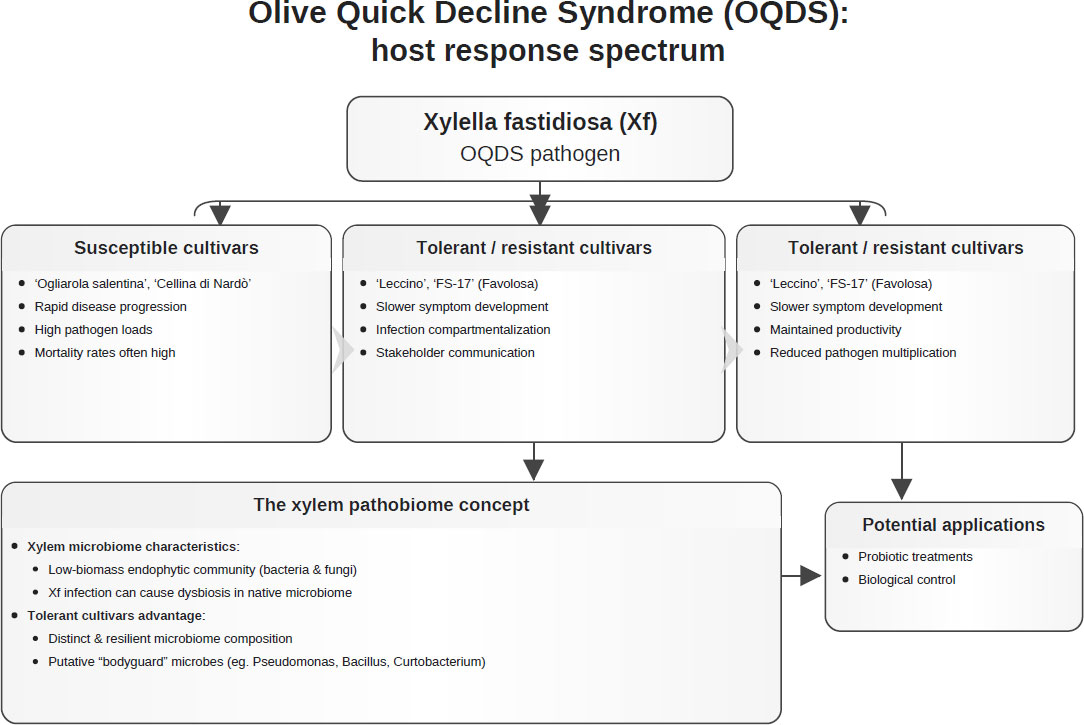
Host response spectrum of olive cultivars to Xylella fastidiosa subsp. pauca ST53. Tolerant/resistant genotypes show anatomical, molecular, and biochemical traits that limit pathogen multiplication and symptoms; the xylem pathobiome may contribute to resilience.
For clarity, this review uses tolerance to describe reduced symptom expression, damage or yield loss despite infection, and resistance to describe reduced pathogen establishment, multiplication, acquisition by vectors or systemic movement. Many field observations combine both phenomena; therefore, future studies should report symptom scores, qPCR-based bacterial load, yield, hydraulic traits and long-term survival separately.
6.2. Anatomical, Physiological and Molecular Mechanisms
Comparative anatomical studies indicate that xylem vessel diameter, pit membrane properties and hydraulic vulnerability can influence systemic spread of X. fastidiosa and the severity of water-stress symptoms [35-38]. Smaller or differently connected vessels may slow bacterial movement and compartmentalize infection, while improved refilling capacity and reduced cavitation susceptibility can mitigate water deficits. These anatomical traits do not act alone; they interact with defense signalling, carbon metabolism, phenolic accumulation and environmental stress.
Transcriptomic and physiological analyses suggest that tolerant/resistant cultivars can mount faster or stronger defense responses, consistent with the plant-immunity concept of defense priming and a primed state in which subsequent challenge elicits augmented defenses [39]. These responses include pathways associated with pattern-triggered immunity, phenylpropanoid metabolism, lignification, callose deposition, pathogenesis-related proteins and hormonal signalling [40-42]. Metabolomic and xylem-sap studies also implicate phenolics, monoterpenes and soluble sugar dynamics in cultivar response [25, 40, 41]. Where lower bacterial loads are observed, these traits are interpreted as candidate contributors to partial resistance; where symptoms are reduced despite infection, they are interpreted as tolerance-associated traits. At present, these mechanisms should be interpreted as convergent evidence rather than as fully validated causal pathways, because many studies are observational, field infection pressure is uneven, and functional gene validation in olive remains limited.
7. THE XYLEM PATHOBIOME
7.1. Olive Xylem as a Low-biomass Microbial Habitat
Plant pathology has increasingly shifted from a single-pathogen paradigm to a pathobiome framework in which disease outcome depends on interactions among the host, pathogen, microbial community, and environment [43]. This concept complements the plant holobiont perspective, in which host phenotype and fitness emerge from the plant and its associated microbiota [44]. Olive xylem is a low-biomass habitat, but sequencing and culture-based studies demonstrate that endophytic bacteria and fungi can be detected and may differ by cultivar, season and infection status [45-47]. Because low-biomass microbiome studies are sensitive to contamination and batch effects, robust negative controls, quantitative approaches and longitudinal sampling are essential.
7.2. Dysbiosis, Beneficial Endophytes and Translational Limits
Comparative studies indicate that X. fastidiosa infection is associated with shifts in xylem-associated microbial assemblages, while tolerant/resistant cultivars such as Leccino may maintain a more stable endophytic community [45, 46]. Culture-based work has identified olive-associated bacteria, including Bacillus, Pseudomonas, Curtobacterium and Methylobacterium taxa, with potential antagonistic or modulatory activity [48-50]. These findings justify microbiome-oriented research but do not yet prove field efficacy. In vitro antagonism must be followed by xylem colonization assays, greenhouse challenge experiments and multi-site field trials that measure pathogen load, symptom progression, vector acquisition and the persistence of the introduced organism [51, 52].
A practical microbiome-engineering pipeline should include candidate discovery, functional validation in xylem-relevant systems, formulation and delivery testing, field-scale efficacy trials and environmental risk assessment. Until such evidence is available, microbiome manipulation should be presented as a research direction requiring further validation rather than an immediately deployable stand-alone cure.
8. DETECTION, SURVEILLANCE AND PREDICTIVE MODELLING
8.1. Molecular Confirmation and Sampling Design
PCR and real-time PCR remain central to official confirmation, with LAMP and newer qPCR formats providing additional options for rapid or field-adapted screening [11, 53-56]. Because bacterial titers are spatially heterogeneous, sampling should use composite material from multiple branches and, where possible, both symptomatic and asymptomatic tissue. Internal amplification controls, extraction controls, replicate assays and independent target confirmation reduce false-negative and false-positive risks. Positive detections in regulated contexts should follow EPPO diagnostic protocol requirements and EU reporting procedures (Fig. 4) [10, 11].
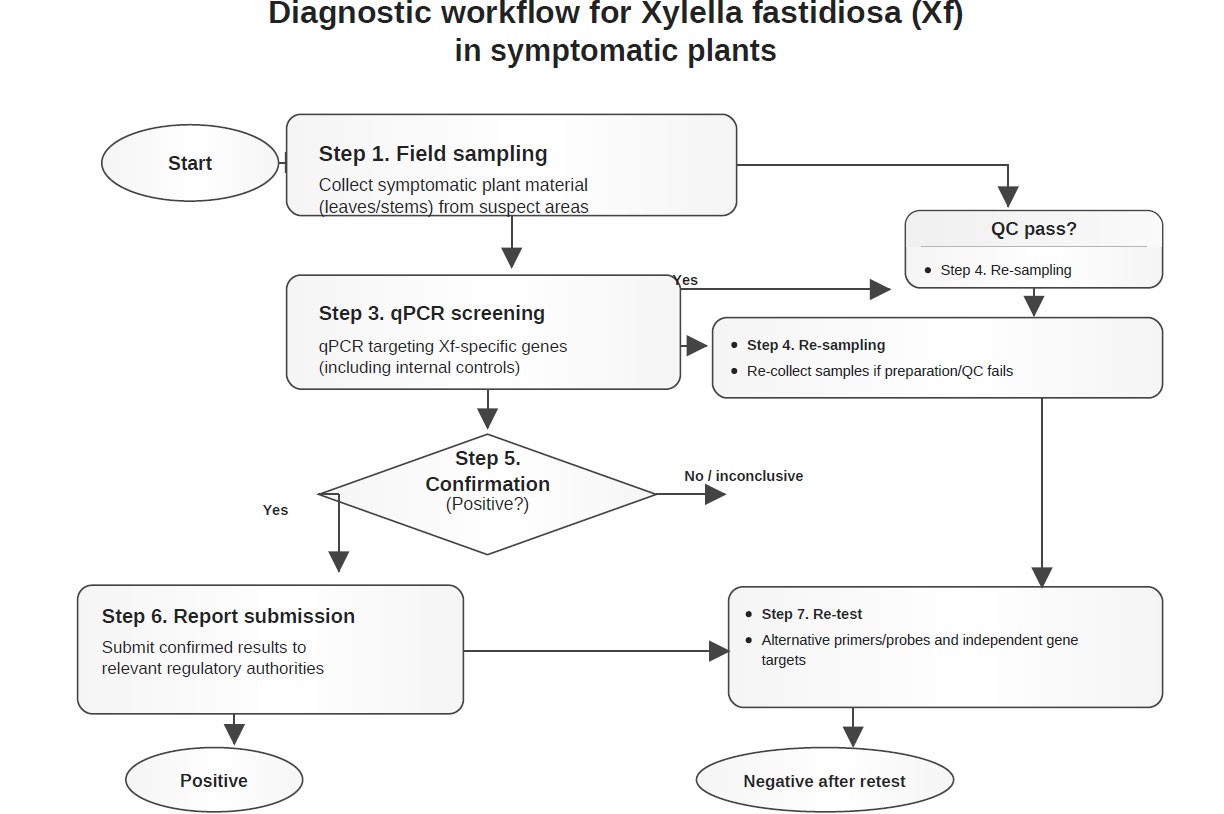
Proposed diagnostic workflow for confirming Xylella fastidiosa in symptomatic olives within statutory surveys, including quality control, qPCR screening, confirmatory testing, and reporting.
8.2. Remote Sensing, Volatile Profiles and Surveillance Integration
Remote sensing detects physiological changes before symptoms are visible, including spectral traits linked to pigment, water status and canopy temperature [57-59]. Portable instruments and volatile organic compound profiling can also support early risk stratification [60, 61]. These approaches are most useful as screening layers rather than definitive diagnostics. Their transferability is constrained by cultivar, canopy architecture, phenology, drought, nutrient stress and co-occurring diseases. Operational surveillance therefore requires local model calibration with qPCR ground truth, periodic recalibration and transparent reporting of sensitivity, specificity and uncertainty [62, 63].
8.3. Modelling and Decision Support
Spatial and eco-epidemiological models help evaluate containment scenarios, including buffer-zone width, vector suppression timing, sampling intensity and orchard-renewal strategies [27, 64-66]. Modelling studies have consistently shown that delayed eradication is unlikely to succeed once disease has become widely established, whereas earlier detection, movement control and vector reduction can reduce spread. Models should be treated as decision-support tools rather than predictions with fixed certainty; their reliability depends on updated host distribution, vector abundance, climate and surveillance data.
9. SUSTAINABLE INTEGRATED MANAGEMENT
9.1. From Emergency Response to Context-specific IPM
Initial management in Apulia emphasized emergency phytosanitary measures, demarcation and removal of infected trees. In endemic areas, however, the scale of infection, social resistance to tree removal and the efficiency of native vectors forced a transition toward Integrated Pest Management (IPM) and long-term coexistence strategies [10, 13, 29]. Disease-free and buffer areas still require strict prevention, certified plant material, surveillance and rapid response; infected zones require vector suppression, orchard renewal, tolerant/resistant cultivars and grower support (Fig. 5).
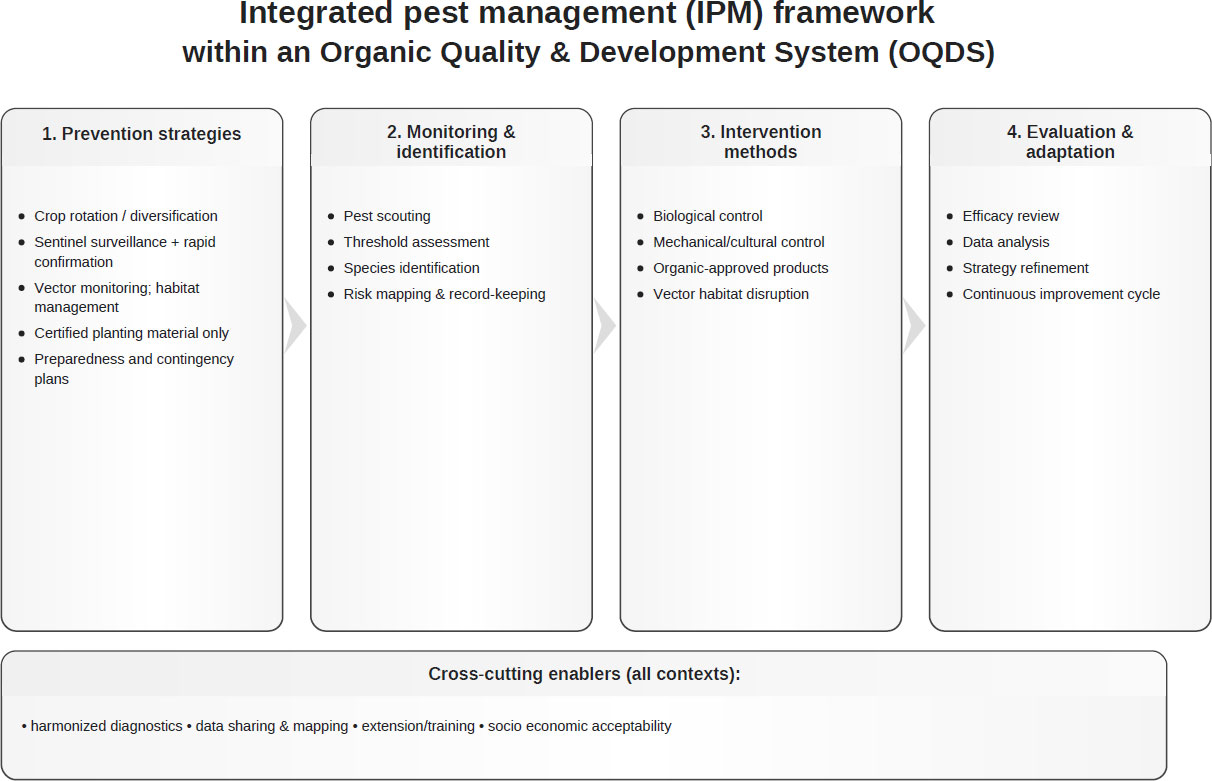
Integrated Pest Management (IPM) framework for Olive Quick Decline Syndrome (OQDS), organized into prevention, monitoring/identification, intervention, and evaluation/adaptation.
9.2. Evidence Strength and Operational Readiness
The OQDS management toolbox contains measures with different levels of evidence and readiness (Fig. 6; Table 1). Tolerant/resistant cultivars, certified plant material, surveillance and spring vector management are currently the most actionable measures. Chemical or biocomplex treatments, plant defense inducers, biological control and probiotic approaches show promise but require careful interpretation as many studies are local, treatment combinations vary and long-term field reproducibility is still being assessed [67-72].
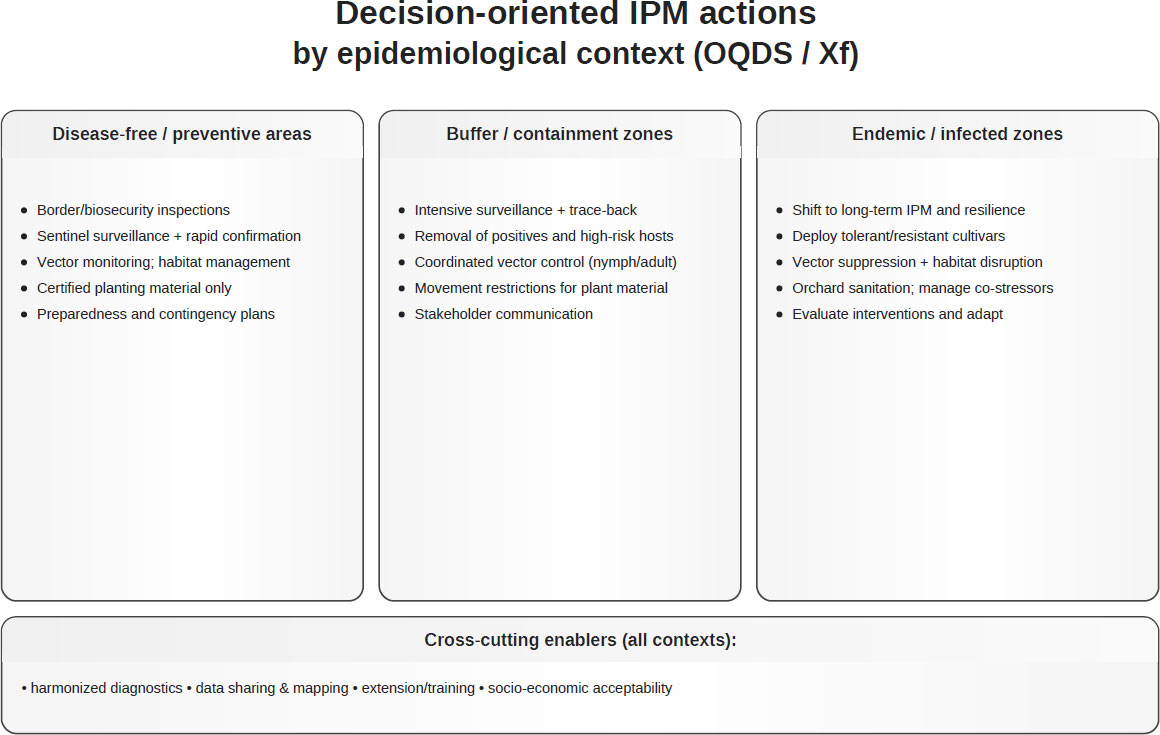
Decision framework linking epidemiological context (disease-free, buffer/containment, infected/endemic) to operational priorities for surveillance, vector control, and orchard renewal. Screening tools (remote sensing/VOCs) provide risk layers and require molecular confirmation for regulatory decisions.
| Management Tool | Typical Evidence Base | Readiness | Key Constraints / Notes |
|---|---|---|---|
| Resistant/tolerant cultivars (replanting/overgrafting) | Field observations + multi-year performance in affected areas | High | Need cultivar diversity to reduce resistance breakdown risk; agronomic suitability varies by system. |
| Ground-cover management targeting nymphs | Operational practice supported by vector ecology | High | Timing critical (spring nymph stage); depends on local vegetation and compliance. |
| Adult vector suppression (chemical/biological) | Variable field efficacy; context dependent | Moderate | Environmental trade-offs; risk of reinvasion; biological control still developing. |
| Rogueing/removal of infected trees | Regulatory practice; most effective early/incursion contexts | Moderate–High (context-specific) | Low feasibility/acceptability in widespread infection; requires compensation and clear delimitation. |
| Remote sensing / proximal sensing | Proof-of-concept + pilot deployments | Moderate | Confounding abiotic stress; model transferability; must be calibrated to local cultivars/phenology. |
| VOCs / e-nose diagnostics | Experimental and pilot studies | Emerging | Standardization, sensor drift, and environmental effects; best as screening complemented by qPCR. |
| Probiotics / microbiome-based biocontrol | In vitro antagonism + limited in planta/field trials | Emerging | Xylem colonization/persistence and reproducibility; regulatory and QA/QC challenges. |
| Defense inducers / endotherapy compounds | Mixed evidence; some field reports | Emerging–Moderate | Durability, cost, application logistics; need replicated multi-site trials and standardized endpoints. |
Abbreviations: qPCR, quantitative PCR; VOCs, volatile organic compounds.
9.3. Socio-economic and Policy Dimensions
OQDS is not solely a biological problem. Olive groves in southern Italy represent income, identity, landscape heritage and ecosystem services. Consequently, technically justified measures may fail if they are perceived as imposed, economically unrealistic or culturally insensitive. Stakeholder studies emphasize the need for transparent communication, compensation mechanisms, participatory surveillance, support for orchard renewal and policies that integrate plant health with rural development [73, 74].
10. LIMITATIONS OF THE REVIEW
This review has several limitations. First, it is a critical narrative synthesis, not a quantitative meta-analysis; heterogeneity among studies prevented formal pooling of effect sizes. Second, the evidence base is geographically concentrated in Apulia, so transferability to other Mediterranean regions depends on local vector communities, host cultivar composition, climate, management and policy context. Third, several mechanistic conclusions, especially those involving metabolomics and microbiome associations, remain inferential because functional validation in olive is limited. Fourth, remote sensing and modelling studies depend strongly on ground-truth data, local calibration and assumptions about vector behavior and host distribution.
CONCLUSIONS AND FUTURE PERSPECTIVES
Research during the first decade of OQDS has expanded understanding of the disease from a newly recognized emergency into a mechanistically informed pathosystem. Current evidence supports four main conclusions. First, X. fastidiosa subsp. pauca ST53 is an adaptable xylem-limited pathogen whose biofilm lifestyle and genomic plasticity require continued surveillance. Second, cultivar response is a multi-trait phenotype involving xylem architecture, hydraulic resilience, defense priming, metabolism and the microbiome. Third, detection and containment should combine validated molecular confirmation with risk-based sampling, remote sensing and epidemiological modelling. Fourth, sustainable management is necessarily integrated and context-specific: it must combine clean plant material, vector suppression, tolerant/resistant germplasm, orchard hygiene, grower support and transparent governance.
Priority research needs include: (i) monitoring durability of tolerance/resistance in Leccino, FS-17 and emerging genotypes; (ii) identifying breeding markers that are robust across environments; (iii) moving microbiome candidates from association to causal validation; (iv) testing IPM packages in replicated multi-site trials; (v) integrating climate-change projections into surveillance and vector models; and (vi) designing policies that account for economic costs, landscape values and grower trust [75-77]. The Apulian epidemic illustrates the vulnerability of perennial crops to emerging pathogens, and it also shows that coordinated plant pathology, ecology, genomics, modelling and social science can support resilience strategies.
AUTHORS’ CONTRIBUTIONS
The authors confirm their contribution to the paper as follows: Y.G.: Conceptualization, project administration, writing - original draft, writing - review and editing, supervision; E.B.: Writing - original draft, writing - review and editing, visualization; M.C.: Writing - original draft, writing - review and editing, formal analysis; M.A.T.: Writing - review and editing, validation, resources. All authors reviewed the results and approved the final version of the manuscript.
LIST OF ABBREVIATIONS
| EFSA | = European Food Safety Authority |
| EPPO | = European and Mediterranean Plant Protection Organization |
| EPS | = Extracellular polymeric substances |
| EU | = European Union |
| GC-MS | = Gas Chromatography-Mass Spectrometry |
| IPM | = Integrated Pest Management |
| LAMP | = Loop-Mediated Isothermal Amplification |
| MAMP | = Microbe-Associated Molecular Pattern |
| MLST | = Multilocus Sequence Typing |
| OQDS | = Olive Quick Decline Syndrome |
| PCR | = Polymerase Chain Reaction |
| PR protein | = Pathogenesis-Related Protein |
| PRISMA | = Preferred Reporting Items For Systematic Reviews And Meta-Analyses |
| qPCR | = Quantitative Polymerase Chain Reaction |
| ST53 | = Sequence Type 53 |
| VOCs | = Volatile Organic Compounds |
AVAILABILITY OF DATA AND MATERIALS
All information supporting the conclusions is contained within the article and the cited literature.
CONFLICT OF INTEREST
Dr. Yaakoub Gharbi is an Associate Editorial Board Member of The Open Agriculture Journal.
ACKNOWLEDGEMENTS
Declared none.